This is a question we get a lot recently. So we thought we would look into it more deeply.
Grief, an emotion often shrouded in silence is a topic we shy away from until we are confronted with it, understanding and navigating the labyrinth of grief is vital. The emerging conversation around using CBD to alleviate grief is garnering interest.
I found this quote from Queen Elizabeth II. She said, “Grief is the price we pay for love.”

Grief manifests as a response to loss, particularly the demise of someone or something dearly held. Unlike a transient emotion, grief is a relentless, evolving journey of mourning, introspection, and emotional excavation. Those who have felt grief’s sting – be it from the death of a loved one, a cherished pet, or any perceived loss – recognize its profound impact on the mind, body, and spirit.
Grief’s complexity is unique to each individual, yet it often brings about:
- The surge of stress hormones
- Elevated anxiety and panic episodes
- A tumult of intense emotions
- Weakened immune response
- Bodily inflammation and pain
Understanding the Stages of Grief Grief unravels over time, characterized by stages like denial, anger, bargaining, depression, and acceptance. These phases are not sequential; one may oscillate between them. Awareness of these stages can prepare one for the journey ahead.
Grief and Depression: Signs to Heed Depression is a common companion of grief. Recognizing symptoms such as hopelessness, diminished interest in once-pleasurable activities, appetite or sleep changes, and concentration difficulties is crucial.
Self-Care in Grief: A Necessity Grief is physically and emotionally draining. Self-care, including adequate rest, nutritious diet, and engaging in joyous activities, is essential. Allowing oneself respite is also imperative.
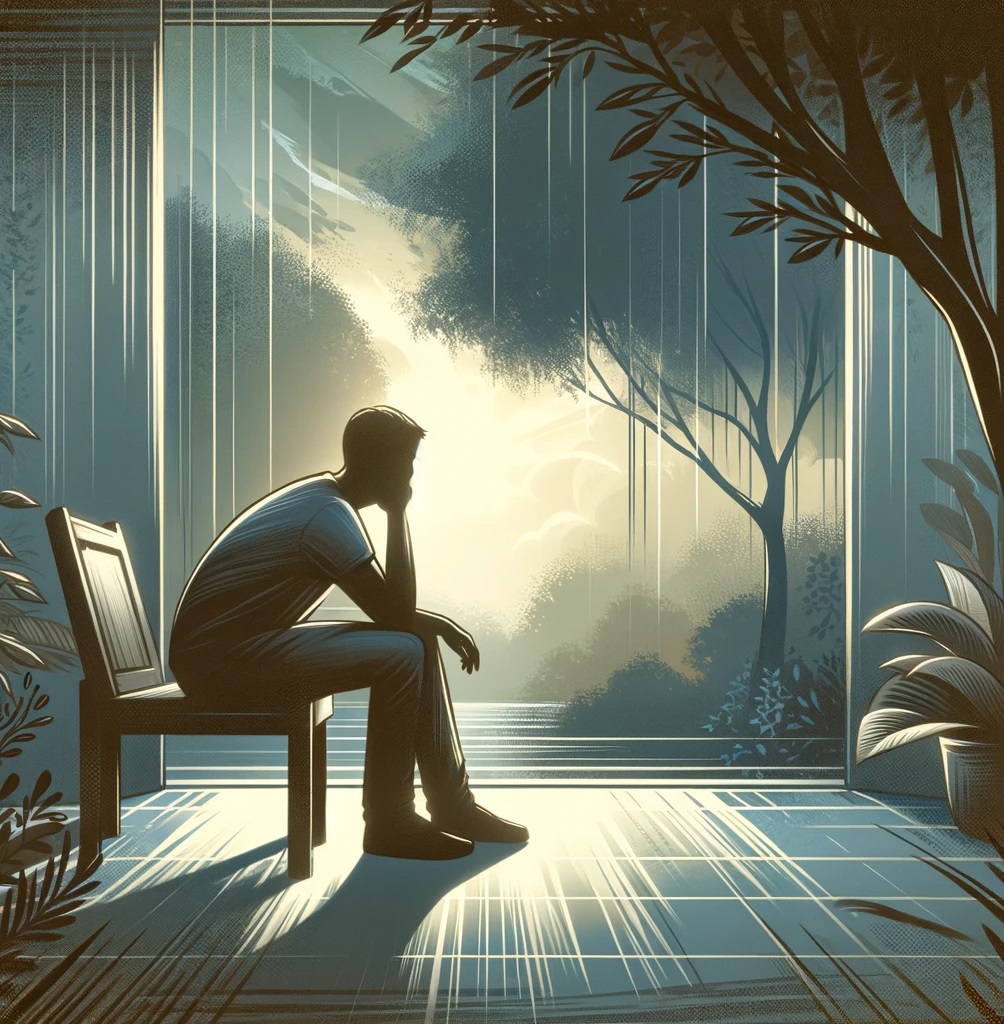
Navigating Grief: Varied Treatments There is no universal remedy for grief. Effective treatment aligns with individual needs and may include conventional support like therapy or groups, alongside natural solutions such as CBD.
Seeking Grief Counseling Facing grief alone isn’t necessary. Resources abound, including grief counseling. The National Suicide Prevention Lifeline (1-800-273-8255) offers a starting point, providing resources and referrals.
CBD in Grieving: An Unconventional Approach CBD might not be an immediate thought in grief management, but understanding its interaction with our body and brain reveals its potential. How can CBD aid in combating grief-induced depression?
- Form: CBD’s various forms (oils, edibles, capsules, creams) cater to different preferences.
- Dose: Determining the right dose requires experimentation. Start small and adjust as needed.
- Consistency: Regular broad spectrum hemp CBD lotion use is crucial for maintaining its effect.
Benefits of CBD in Grief
- Easing Anxiety: CBD is renowned for its calming effect on nerves, aiding in loss management.
- Alleviating Physical Pain: Grief can manifest physically. CBD’s anti-inflammatory and pain-relieving properties can offer relief.
- Promoting Sleep: CBD’s sedative nature facilitates restful sleep, crucial during grief.
Sleep Disruption in Grief Sleep patterns often suffer post-loss, leading to issues like insomnia, which can exacerbate anxiety, depression, and exhaustion.
Boosting Immunity with CBD Grieving individuals may have compromised immunity. CBD’s anti-inflammatory properties can strengthen the immune system, offering protection during vulnerable times.
CBD, in its essence, offers a glimmer of hope in grief’s darkness, reminding us of the ever-present light.
Utilizing CBD in Grief Consider adding a drop of CBD to coffee or tea, or soaking in a CBD-infused bath. These simple acts can offer comfort in times of sorrow.
CBD has been suggested to help manage some common symptoms of grief. It has been found to reduce physical pain and inflammation, relieve anxiety, and ease panic attacks, offering therapeutic benefits.
- The Healing Power of Touch: How Massage Therapy Helps Seniors Reconnect and Recover

Losing a loved one changes everything — your routines, your emotions, even your physical health. For many seniors, loneliness and grief can take a real toll on the body. The mind feels heavy, and tension settles deep into the muscles. Yet one of the simplest, most powerful forms of comfort is often overlooked: human touch.
Massage therapy, long known for its physical benefits, has become a source of peace and connection for many seniors who are navigating life after loss. Services like Mobile WellSpa Massage.com are making it easier than ever to experience that healing — right in the comfort of home.
A Gentle Path Back to Comfort
As we age, our bodies respond differently to stress. Tight muscles, stiff joints, and poor circulation often worsen when combined with emotional pain or inactivity.
Massage therapy helps reverse that — not just by soothing the body, but by gently reminding the heart what it feels like to be cared for again.A skilled therapist’s hands can ease tension, improve circulation, and help calm the nervous system. Many seniors describe the experience as a form of therapy that words can’t always provide — quiet, grounding, and full of warmth.
Why Mobile Massage Makes a Difference
For widowed seniors, leaving home for appointments can feel like a challenge. That’s why mobile wellness services are becoming so important — they bring comfort to you, not the other way around.
At Mobile Well Spa Massage, licensed therapists create a safe, serene environment wherever you are. Soft lighting, soothing scents, and calming energy transform your living room into a peaceful retreat. You don’t have to drive, wait, or worry — just breathe and let the healing come to you.
Emotional Healing Through Touch
Massage therapy supports more than muscles; it supports the soul. Regular sessions can:
- Lower anxiety and improve sleep
- Ease depression and emotional fatigue
- Support circulation and joint mobility
- Encourage relaxation and a sense of companionship
Many seniors describe feeling lighter, calmer, and more connected after a session. The body begins to release stored tension, and with it, the heart starts to open again — even just a little.
Wellness, Dignity, and Compassion
What makes MobileWellSpaMassage.com so special is the understanding that every client’s story is different. The focus is on care, respect, and creating a private, luxurious experience that meets each person exactly where they are — physically and emotionally.
This isn’t about luxury for show; it’s about luxury as self-respect — the idea that even in grief, you deserve gentleness, comfort, and care.
A Touch of Hope
If you or someone you love has lost a partner and is searching for calm in the storm, massage therapy can be a meaningful first step toward healing.
Visit Mobile Well Spa Massage.com to explore in-home wellness options tailored to seniors in Lynwood and the Greater Los Angeles area. Because sometimes, the most powerful form of therapy is simply being cared for — one healing touch at a time.
- Supporting Widows at Christian Conventions: Hope, Healing & Community

Introduction
Christian conventions gather believers for worship, teaching, fellowship, and encouragement. They’re powerful moments of spiritual refreshment. For widows, however, they can bring a mix of pain and hope—offering both triggers of loss and opportunities for healing. If done thoughtfully, conventions can become places of deep support for widows: helping them feel seen, loved, and part of God’s family.
Why Widows Need Purposeful Care at Conventions
- Healing in community: Grief is often isolating. Being among others who share faith and perhaps similar stories can help widows realize they are not alone.
- Renewal of faith & hope: Worship, testimonies, God’s Word—all can refresh broken hearts and remind widows that God sees them and is near.
- Practical support: From logistics to emotional care, conventions can be stressful for anyone. For widows, especially those traveling alone, even small extras matter: safe spaces, someone to sit with, mentoring, or grief-care sessions.
Ways Conventions Can Better Support Widows
- Welcome & Reception
Provide special welcome packets or greeters who specifically check in with widows. Make sure they have someone to help with logistics (directions, seating) so they don’t feel lost. - Dedicated Sessions or Workshops
Include breakout sessions on grief, loss, rebuilding life, faith after loss, finances post loss, or widowhood in general. Invite speakers or counselors who understand widowhood. - Safe Spaces
Quiet prayer rooms, counseling corners, small support groups during the event. Spaces where widows can process emotions, rest, and reflect without pressure. - Buddy System / Mentorship
Pair widows with other attendees or staff who can check in, share meals, or attend sessions together. A simple gesture of companionship goes a long way. - Testimonies & Storytelling
Offering opportunities for widows to share their journeys—through spoken word, short interviews, video testimonies—brings encouragement to both the one sharing and those listening. - Practical Assistance
Transport, assistance with bags, comfortable seating, possibly financial help for registration or travel. Churches or ministry teams can offer scholarships for widows who otherwise might not afford to attend. - Post-Convention Follow Up
Provide resources afterward: suggested reading, online support groups, regular check-ins, small local meetups. The convention might end, but care doesn’t have to.
Examples of Effective Widow Ministries
- Never Alone Widows offers retreats and conferences for widows, along with devotionals and local chapters to carry support year-round. Never Alone Widows & Tradeshow Mall
- Stand in the Gap for Widows equips churches to intentionally care for widows, ensuring no widow feels alone. Stand in the Gap Ministries
- Camp Widow, by Soaring Spirits, blends conference, retreat, and community to provide healing and connection. campwidow.org
These ministries show that when widows are honored, included, and supported, God’s love becomes very real in their lives.
Conclusion
Widows shouldn’t just be tolerated at Christian conventions—they should be noticed, honored, and cared for. With intentional planning, compassion, and follow-through, conventions can be transformational for widows—turning an event into a haven of hope and a stepping stone toward new life in Christ.
Churches, event organizers, and ministry leaders: let’s think ahead and ensure widows get full, compassionate inclusion at every gathering.
- Widows Finding Purpose Through Civic Engagement

For many widows, life after loss brings unexpected challenges — but also opportunities for renewed purpose. Across Connecticut and beyond, widows are discovering that involvement in civic education and nonprofit programs not only strengthens their communities but also provides them with connection, healing, and hope.
Why Civic Engagement Matters for Widows
Civic programs such as mock trial competitions, debate clubs, and community forums provide a way for widows to give back. By mentoring young people or volunteering at events, they transform personal resilience into community leadership. These roles allow them to:- Share wisdom and life experience with students.
- Stay active and connected to local schools and nonprofits.
- Find new meaning in supporting programs that teach justice, fairness, and democratic values.

A Powerful Presence in Education
Students in organizations thrive when they see community role models cheering them on. A widow who volunteers as a timekeeper, judge’s assistant, or even event organizer shows students that civic duty doesn’t have an age or marital status. It’s a lifelong calling.Nonprofits as a Bridge to Healing
Directories such as Idealist.org and NonprofitLight highlight organizations that connect widows with opportunities to serve. Whether it’s helping in mock trial tournaments or contributing to debate programs, nonprofits provide structured ways for widows to stay engaged and make a visible difference.Stories of Strength
Many widows who step into civic life say they find healing in service. By supporting young people, they see their community flourish — and in turn, feel their own lives enriched. Civic engagement becomes more than volunteering; it becomes a legacy of resilience and care.Conclusion
Widows bring unmatched perspective, compassion, and dedication to civic programs. Their involvement not only honors the memory of loved ones but also strengthens the fabric of democracy. Through initiatives like mock trials and civic education, widows are transforming loss into leadership — shaping the next generation of citizens while reclaiming purpose for themselves. - Why Seniors Are Heading to Cannabis Dispensaries to Manage Pain

For decades, cannabis was often associated with youth culture, but today a new group is walking through dispensary doors: seniors. From arthritis and back pain to sleep troubles and inflammation, older adults are increasingly turning to cannabis as a natural alternative to traditional medications.
A Shift in Perception
Just a generation ago, many seniors grew up during an era when cannabis was stigmatized or outright demonized. But with legalization spreading across the U.S., that perception has changed dramatically. Seniors now see cannabis less as a recreational drug and more as a therapeutic tool.
Dispensaries have adapted too—many now offer educational events, senior discounts, and staff trained to guide older customers through product options in a welcoming, stigma-free environment.
Why Pain Relief Is the Big Draw
Chronic pain is one of the most common health issues among seniors. Conditions like:
- Arthritis: causing stiff, swollen joints.
- Neuropathy: nerve pain, often linked to diabetes.
- Back and hip pain: common with aging bones and muscles.
Cannabis products—particularly CBD lotions, THC tinctures, and edibles—are being explored as gentler alternatives to heavy prescription drugs or opioids. Many seniors report that cannabis helps reduce pain and improve mobility, allowing them to enjoy everyday activities again. Just head to your nearest dispensary.
Popular Products for Seniors
Unlike younger consumers who may lean toward smoking or vaping, many seniors prefer smokeless, easy-to-use options.
- CBD creams and topicals for targeted joint pain.
- Edibles like gummies, mints, or low-dose chocolates.
- Tinctures and oils for customizable dosing.
- Capsules for those who prefer a pill-like format.
These methods provide longer-lasting relief without the need to inhale smoke, which is often a concern for older adults with lung conditions.
Safety and Guidance Matter
One reason seniors are choosing dispensaries over the illicit market is the reassurance of quality control and professional advice. Licensed dispensaries offer lab-tested products, consistent dosing, and knowledgeable staff who can recommend options tailored to specific health needs.
Some dispensaries even partner with healthcare professionals to provide medical consultations, helping seniors avoid negative interactions with other medications.
The Social Side of Dispensaries
For many seniors, visiting a dispensary isn’t just about pain relief—it’s also about community. Dispensaries often host wellness classes, social events, or cannabis education workshops that allow seniors to learn, connect, and feel supported.
What once was a taboo subject has now become a conversation starter among friends, caregivers, and even retirement communities.
Looking Ahead
As cannabis continues to move into the mainstream, seniors are likely to remain one of the fastest-growing groups of consumers. With the potential to ease pain, improve sleep, and enhance quality of life, it’s no wonder more older adults are embracing the plant once clouded in controversy.
For seniors dealing with chronic pain, the dispensary has become more than just a shop—it’s a gateway to relief, empowerment, and a healthier lifestyle.
- Is Depression a Sin in the Bible?
Depression is one of the most widespread psychiatric problems and has existed for millennia. The Bible can provide valuable insight into its causes and treatments.
Depression can be brought on by genetics, major life events, illness and stress; medications or side effects from medical conditions may also contribute.
Depression is not a sin
Depression is a serious mental illness that requires treatment, just like ulcers or heart attacks. While some people suffer more than others from it, God understands and wants the best for all his creations – so if you find yourself depressed it’s wise to seek professional counseling as well as pray for help from Him.
You can turn to Scripture when feeling depressed for comfort and reminders of His promises. A great starting place is Ecclesiastes where Solomon explores how craving temporary pleasures such as pleasure, knowledge, wisdom, possessions, or success is only going to leave you feeling empty in the end – instead focus on looking towards eternity instead. Although biblical writers did not directly address depression per se, evidence of it can still be seen. Some may want to draw links between their depression and sin; wise helpers should steer away from such links altogether as Satan is real and plays an integral role in human suffering – although that alone should not necessarily cause people’s depressive episodes either.
Depression is not a punishment
Many well-meaning Christians mistakenly assume that being depressed is due to sin; however, this is far from being the case! Depression is a legitimate medical condition which must be managed appropriately with medications and psychotherapy.
There are multiple people throughout the Bible who appear to be experiencing what we would now term depression. Psalms, for instance, contain many laments of pain and loss; perhaps one could argue that King David himself suffered from some form of mental distress.
Chemical imbalance in the brain does not equal sinful conduct; but it can still be serious. Seeking help for depression from friends and family as well as doctors is vital, while reading scripture to gain wisdom and direction can also be very useful. Although people may tell you to “pray harder”, or believe God is punishing you; but Scripture says Jesus loves us and wants to heal our hearts.
Depression is not a sign of weakness
Christians suffering from depression may come under considerable strain from well-meaning friends. Some may accuse their illness as being due to sin or faith deficiencies; this is an unfair assumption; just like we wouldn’t suggest to someone with blindness that their condition is due to personal or parental sin, similarly we shouldn’t assume depression stems from not enough faith in our lives.
Scripture contains many examples of godly individuals experiencing depression. David wrote many psalms during times of low self-worth, while even Moses struggled with despair at times. Though sin may not be solely responsible for depression, sin certainly plays a part. Therefore it’s essential that we recognize this reality and treat those with mental illnesses with the compassion and love that Jesus demonstrated.
Depression is not a sign of sin
Depression is often mistaken as an indication of sin. While depression may stem from spiritual causes (e.g. unbiblical beliefs or bitterness), most cases do not. Therefore, the Bible encourages Christians to cling to Christ and seek help for emotional problems such as counseling sessions, prayer groups or even medication from licensed medical providers.
Depression may not be seen as a sin, but Christians are still responsible for how they respond to it. Instead of hiding away or suppressing feelings about it from others, it would be helpful if Christians would open up about their struggles with church leadership and seek support from people who remind them of God’s unconditional love for them.
No shame is attached to seeking medical help for depression; just as one would visit their physician for an injury or illness, many may require medication in order to manage depression effectively.
- Movies About Teenage Depression
Films about depression among teenagers can serve as an effective starting point for conversations about mental health. Both independent and Hollywood productions demonstrate its various facets through relatable characters who showcase these teen’s struggle.
Melinda, an awkward newcomer at high school, starts opening up to her eccentric art teacher as they share experiences together. This film beautifully illustrates the healing potential of sharing our stories.
Little Miss Sunshine
This movie makes mental health issues relatable and humorous with its portrayal of dysfunctional family, led by an unscrupulous grandfather, his awkward teenage son taking an oath of silence, an overworked mother and an aspiring life coach father (Frank). While this film does not glorify suicide or condone it, it does show its prevalence; suicide can affect anyone at any time.
This movie does an outstanding job at depicting how different family members cope with their problems and provides a realistic portrayal of depression, which is sometimes misdiagnosed as narcissism. Furthermore, it shows that although suicide is a serious mental illness that people can recover from. Finally, the movie shows just how essential support for mental wellbeing can be.
Submarine
Submarine, inspired by French New Wave cinema, tells the tale of a teenage boy coming of age and his battle against depression. Craig Roberts stars as Oliver, an awkward Welsh teen with an intense crush on Jordana (Alex Turner). Additionally, family matters and mental health concerns are addressed in this film, making it one of the best movies about teenage depression.
Richard Ayoade’s debut feature film uses a style similar to Noah Baumbach (The Squid and the Whale) and Wes Anderson (Rushmore) in order to offer an original and quirky twist on a traditional teenage romance tale. While sometimes resorting to cliches or overused gags, Ayoade captures some of the more honest and raw aspects of teenage life while making depression and anxiety not just feelings but realities; Oliver realizes this firsthand through his struggles with depression and Jordana.
The Virgin Suicides
The Virgin Suicides is a haunting film about five teenage sisters who decided to end their own lives, exploring love, repression, fantasy and terror as well as the impenetrable mysteries of American adolescence. Sofia Coppola made her directorial debut with this film and left audiences speechless with its haunting imagery and backlit cinematography that brought the girls’ lost world alive through period top 40 music and backlit cinematography; James Woods and Kathleen Turner play their zealously protective parents roles!
This movie takes an ambiguous approach to its interpretation of the girls’ suicides and allows viewers to come up with their own interpretation. Instead of forcing ideas on audiences directly, this approach leaves it up to each viewer individually to decipher what was communicated by these deaths. Furthermore, there are dream-like sequences which add an even more haunting and mysterious atmosphere – these moments truly stand out as memorable and haunting suburban flicks.
The Breakfast Club
Ahead of its time, this movie broke with conventions of teen films at that time and still manages to remain relevant today. While other teen movies rely heavily on sexualized depictions and offensive humor, this film explores emotional isolation among adolescents who cannot connect with those around them.
Though these five students in detention (an uptight popular girl, stoic jock, foulmouthed rebel, virginal bookworm and kooky recluse) may seem stereotypical at first glance, writer-director John Hughes displayed an intricate understanding of each character with his clever dialogue and thoughtful direction – as well as outstanding performances by Ringwald Estevez Nelson & Hall who played Brat Pack characters – making this movie unforgettable to many teens across America.
Unlike many teen movies that cling to fantasy, The Breakfast Club takes place at an average suburban high school and accurately portrays teenage angst. Furthermore, this film emphasizes learning to appreciate differences among people rather than judge them solely on one aspect of their personality.